
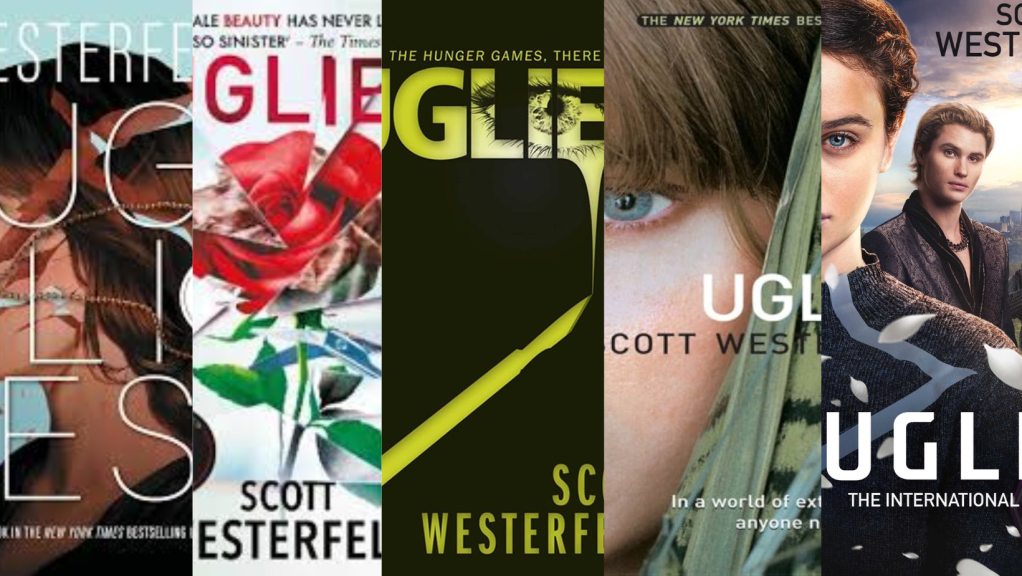
Scott Westerfield’s Uglies explores beauty standards, societal control, and personal identity. With the release of the film, I decided to read the book which came out a while ago now and decided to bring out Book vs Movie from retirement for it… let’s see how the film and book did!
Tally & Peris: A Different Beginning
The book begins with Tally sneaking into New Pretty Town to see her best friend, Peris, who has already undergone the operation to become a Pretty. The movie, however, introduces more of Peris before his transformation, allowing more development of his character and his pre-Pretty mindset. While this gives viewers more time with him, it also removes the mystery and tension from Tally’s daring infiltration.
Additionally, Peris in the book is compliant with the system, believing in its ideals. The movie, however, makes him more defiant about beauty not mattering. This shift alters his arc and makes his eventual fate as a Special (in the movie, not the Uglies book) even more shocking.
Dr. Cable: From Mysterious Special to Public Authority
In the book, Dr. Cable is an ominous, near-mythical figure, a Special Circumstances officer working behind the scenes to maintain control. The movie turns her into a well-known governor, diminishing the eerie secrecy surrounding the Specials. Her intimidation tactics and manipulations are softened as well, making her less of the terrifying antagonist she was in the book.
The Smoke: A Bigger Deal from the Start
One of the biggest changes is how the Smoke—the rebel settlement outside the city—is handled. In the book, Tally doesn’t even learn about it until meeting Shay, while in the movie, it’s talked about early and frequently. The film condenses much of Shay’s storyline, having her leave for the Smoke earlier and making her feelings about David more obvious.
The book also emphasizes that books, history, and knowledge are strictly controlled within the city, and the Smoke is the only place where they are accessible. The movie removes this detail, weakening the contrast between the two societies.
The Specials—Revealed Too Soon
One of the most disappointing changes is how early the movie reveals the Specials and their abilities. The book gradually builds up to this revelation, making it a shocking twist when Tally finally encounters them. By showing their abilities too soon, the film removes this element of surprise, making them feel less mysterious and threatening.
David & Tally: A Rushed Romance
In the book, David and Tally’s relationship develops slowly, allowing trust and emotions to grow naturally. The movie accelerates their connection, even adding a scene where he teaches her to use a crossbow to build romantic tension. While this is a nice touch, the pacing makes their relationship feel unearned.
Additionally, Shay’s jealousy over David in the book is built on subtle tension. She actually has feelings for him, not just worried about Tally in the rest of the community (which was what the movie focussed more on rather than creating the love triangle situation). The movie makes it more dramatic, shifting her role from a rebellious friend to a more antagonistic presence.
A Chaotic Third Act
The second half of the movie diverges wildly from the book. Key changes like Tally destroying her tracking locket much earlier and for different reasons, the Smoke’s destruction happening on-screen instead of being discovered afterward and David finding out about Tally’s betrayal much earlier, affecting their dynamic, to name a few.
We also saw the infiltration of the Specials’ compound happening differently and feeling less suspenseful, a bizarre addition where Cory arrives with a flamethrower in a helicopter and Peris becoming a Special and facing off against Tally and David, ultimately falling to his death—completely different from his book fate (something that I believe from research, never happens in the books).
These changes make the climax feel rushed and overdramatic, removing much of the slow-building tension and character depth found in the novel.
Themes Shifted: From Beauty & Control to a Standard Dystopian Fight
Perhaps the biggest difference is the shift in themes. Uglies is about the perception of beauty, societal control, and self-acceptance. The movie minimises these ideas in favour of a more typical dystopian “fight against the system” narrative. Instead of Tally struggling with the morality of the Pretty operation, the movie frames the conflict around a fabricated weapons threat. The emotional depth of her choices is lost, making the ending feel hollow.
The Uglies movie gets some things right—the world’s aesthetics were pretty nice, Tally’s internal struggle, and key moments from the book—but ultimately, it rushes its storytelling and removes much of what made the novel so compelling. By shifting themes and altering major plot points, it loses the deeper message about beauty and individuality that made Uglies stand out in the first place.
Ultimate answer (shocker I’m sure) the book was way better – it won out!
See You in the Adventures!
Christy Grace

 Christy Grace Scarlet Pen
Leave a comment